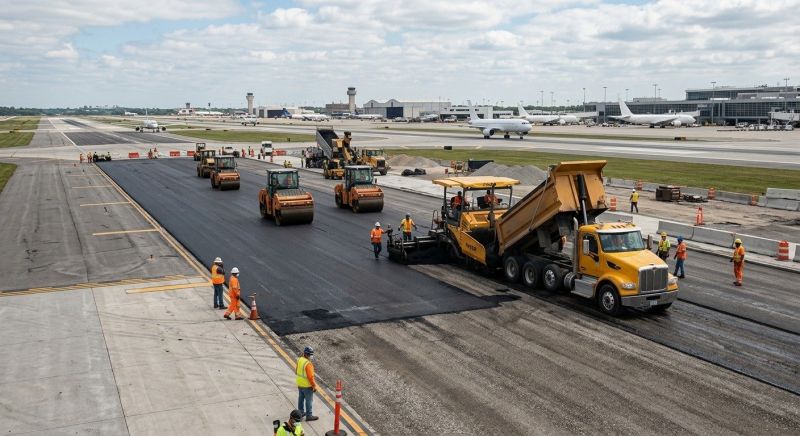
Airport Paving in Little Rock, AR
Airport paving services encompass the installation, repair, and maintenance of paved surfaces used for airports, runways, taxiways, and aprons. These projects typically involve preparing the ground, laying asphalt or concrete, and ensuring proper drainage and surface smoothness to meet safety and operational standards. Property owners planning airport expansions or upgrades often seek detailed information about the materials used, surface durability, and how the paving process can accommodate heavy aircraft traffic and frequent use.
Homeowners or property managers requesting airport paving services usually want to understand the scope of work, including surface longevity and maintenance requirements. It is also important to consider factors such as the existing surface condition, project size, and any specific design features needed for safety or functionality. Clear communication about these aspects helps ensure the paving project aligns with operational needs and property specifications.
Many property owners in Little Rock, AR look into Airport Paving for repairs, replacements, upgrades, and appearance-related improvements.
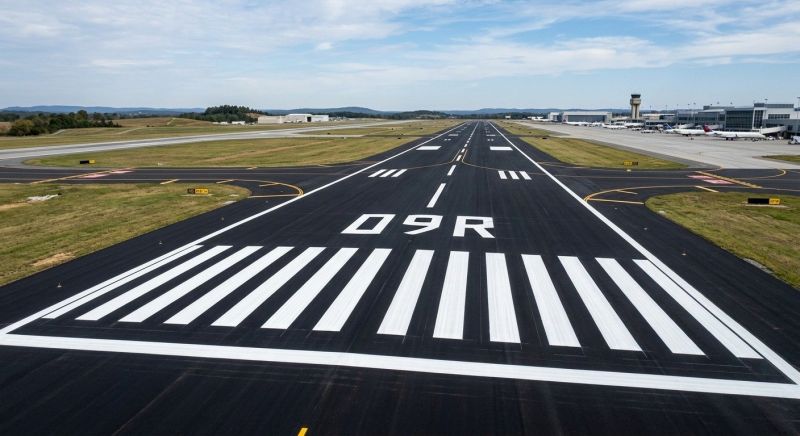
Airport Paving Services
Examples of airport paving work property owners may explore in little rock, ar.
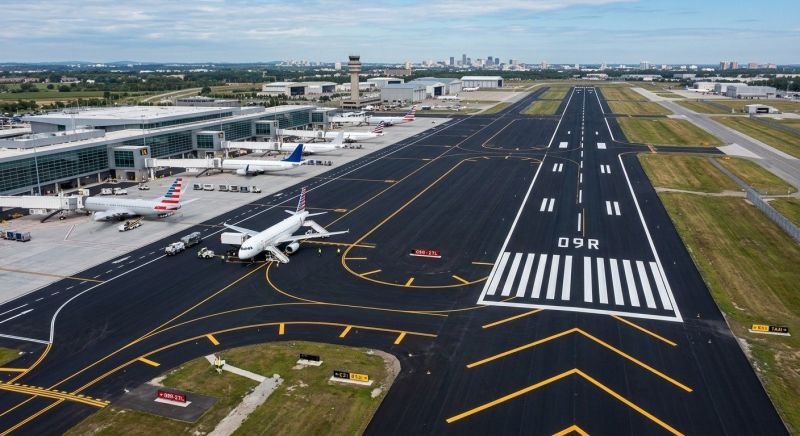
Airport Paving Updates
Common ways people refresh, improve, or restore airport paving features in little rock, ar.
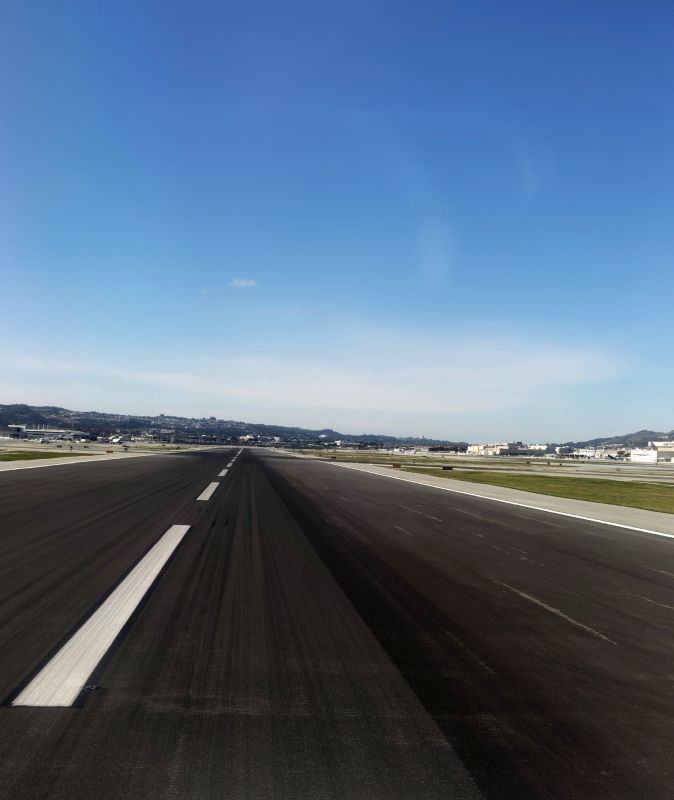
Airport Paving Options
Different styles, layouts, and finishes people consider for airport paving in little rock, ar.
Airport Paving in Little Rock, AR
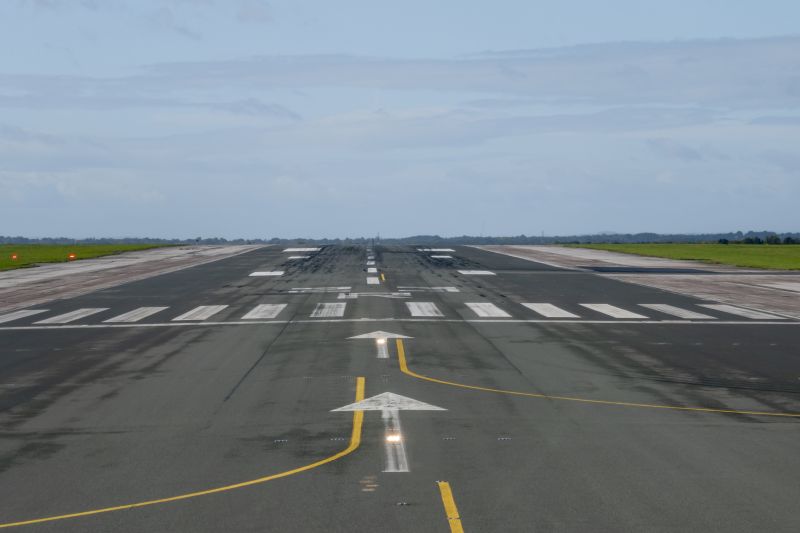
Airport paving services encompass the installation, repair, and maintenance of paved surfaces used for airports, runways, taxiways, and aprons. These projects typically involve preparing the ground, laying asphalt or concrete, and ensuring proper drainage and surface smoothness to meet safety and operational standards. Property owners planning airport expansions or upgrades often seek detailed information about the materials used, surface durability, and how the paving process can accommodate heavy aircraft traffic and frequent use.
Homeowners or property managers requesting airport paving services usually want to understand the scope of work, including surface longevity and maintenance requirements. It is also important to consider factors such as the existing surface condition, project size, and any specific design features needed for safety or functionality. Clear communication about these aspects helps ensure the paving project aligns with operational needs and property specifications.
Many property owners in Little Rock, AR look into Airport Paving for repairs, replacements, upgrades, and appearance-related improvements.
Common Airport Paving Jobs
Airport paving services - professional paving for runways and taxiways to ensure smooth aircraft movement.
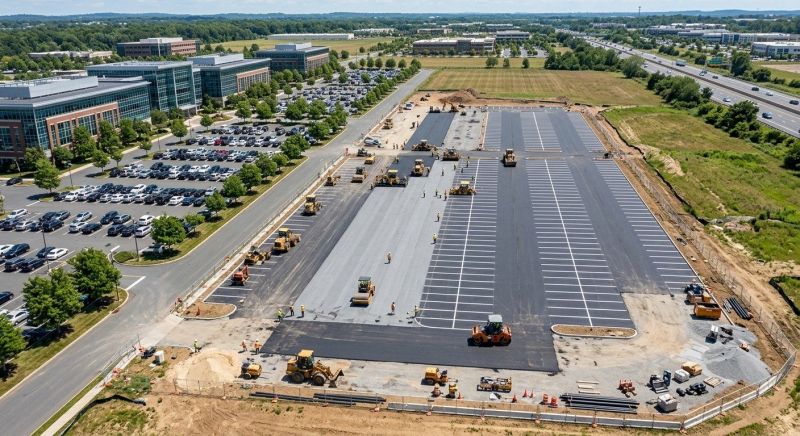
Parking lot paving - durable surfaces designed to accommodate high traffic in airport parking areas.
Runway resurfacing - restoring existing runways to meet safety and operational standards.
Airport apron paving - creating strong, level surfaces for aircraft loading and maintenance.
Drainage installation - effective drainage systems to prevent water accumulation on airport surfaces.
Sealcoating services - protective coatings to extend the lifespan of airport paving surfaces.

Airport Paving Questions
What types of paving projects are common for airports? Airport paving often includes runways, taxiways, aprons, and parking areas to ensure safe aircraft movement and parking.
How long does airport paving typically last? Properly installed airport paving surfaces can provide reliable service for many years with appropriate maintenance.
What materials are used for airport paving? Asphalt and concrete are the most common materials used for airport paving due to their durability and performance.
What should property owners consider before airport paving? It’s important to evaluate the existing surface condition, drainage needs, and future traffic volume for effective paving results.
Request Airport Paving in Little Rock, AR
Use the quote form on this page to share the basics of your project and request more information for the type of work you need.